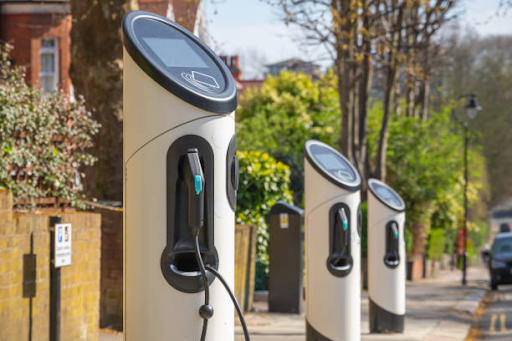
The increasing number of buildings that install multiple EV chargers reveals a major electricity capacity challenge. Smart planning becomes essential because simultaneous vehicle charging operations have the potential to overload electrical systems and necessitate expensive infrastructure upgrades. That’s where load management comes in.
What Is Load Management?
The distribution of available electrical capacity through multiple EV chargers serves to prevent circuit overloads and utility limit violations.
There are three main types:
- Static load management: Evenly distributes power across chargers
- Dynamic load management: Adjusts in real time based on demand and system usage
- Scheduled charging: Limits charging to off-peak hours or specific times of day
The U.S. Department of Energy supports load management as an essential best practice for multi-bay EV sites particularly in shared-use or high-traffic environments.
Why It Matters for Multi-Unit Buildings and Businesses
The installation of additional chargers beyond a few units demands major electrical upgrades which would cost thousands of dollars and extend project timelines. Smart systems minimize risks through automatic demand balancing which provides proper charging services to all users.
GreenBiz states that smart load management systems operate better for site operations while simultaneously reducing peak demand on the grid.
Ideal Applications
- Apartment complexes and strata buildings
- Office car parks with multiple tenants
- Shopping centres and hospitality venues
- Industrial facilities with EV fleets
ApexCharger offers load management systems which adapt to growing EV charging needs at your site while maintaining affordable costs when you need to support more than two EVs charging simultaneously.
Final Word
The implementation of load management transforms complicated sites with multiple chargers into efficient assets that scale properly. Your infrastructure remains protected and more users can be supported while establishing a sustainable EV strategy for the long term.